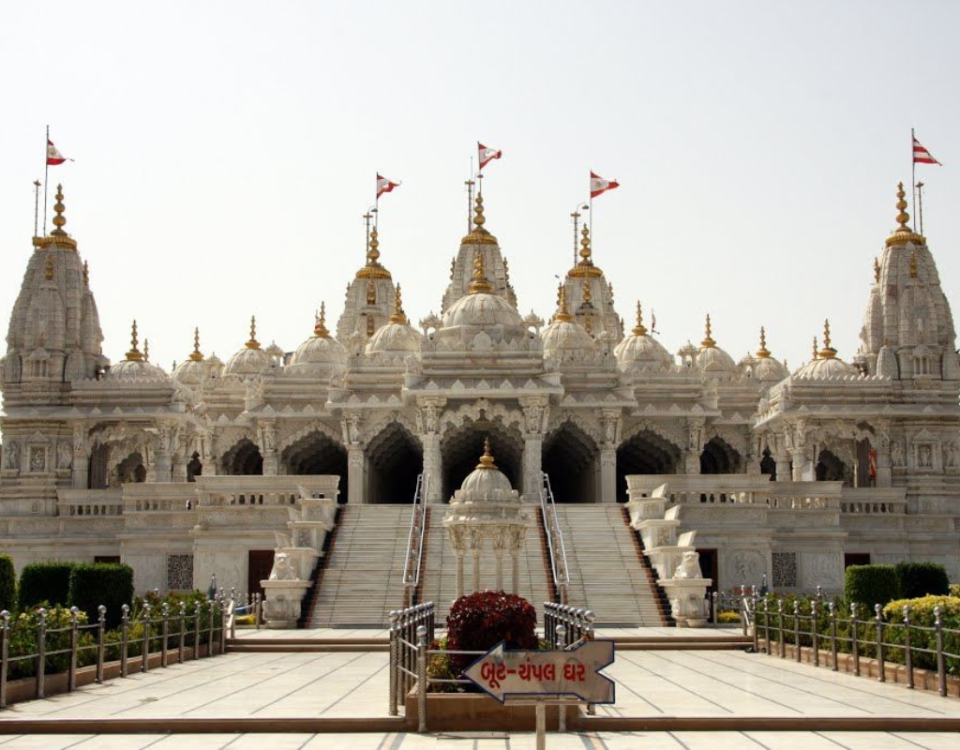
Shree Swaminarayan Temple Bhuj: A Peaceful Spiritual Destination
September 26, 2026
Weddings in Bhuj: A Guide to Beautiful Wedding Celebrations
October 9, 2026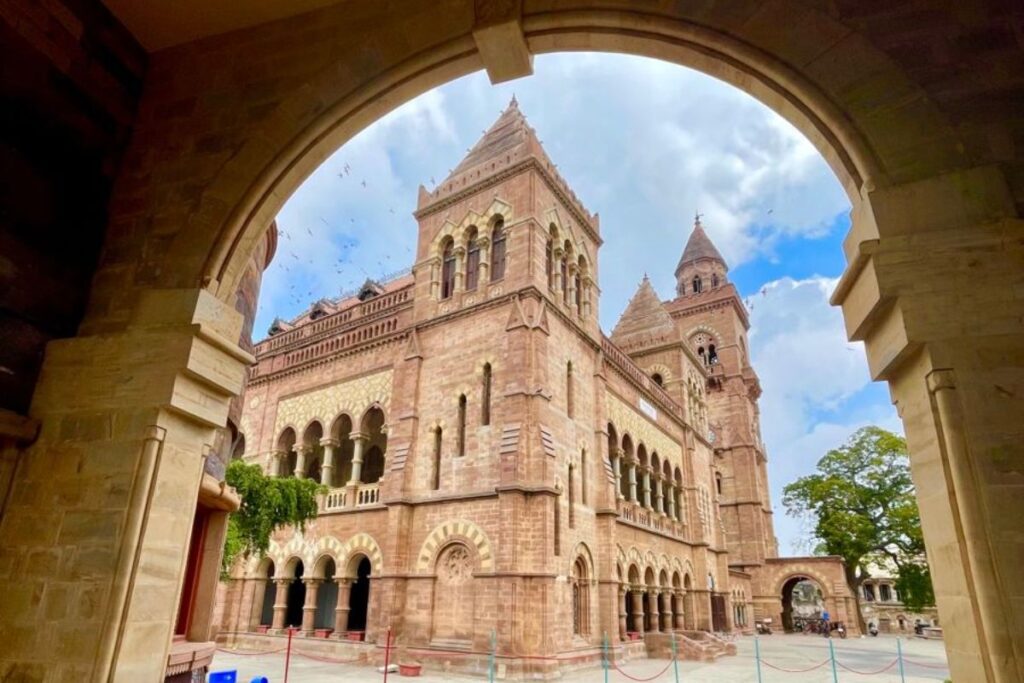
Prag Mahal is one of the most distinctive heritage attractions in Bhuj, Gujarat, known for its impressive architecture, historic importance, and striking stonework. Built during the 19th century, the palace reflects a fascinating combination of European Gothic influences and traditional Indian craftsmanship. For travelers exploring the cultural heritage of Kutch, a visit to this historic landmark offers an opportunity to experience the region’s royal past and architectural traditions.
Located close to other important attractions in Bhuj, the palace can easily be included in a city sightseeing itinerary. Travelers planning an extended stay can choose a luxury resort in bhuj to enjoy comfortable accommodation while exploring Prag Mahal and other nearby heritage attractions. Its grand exterior, detailed interiors, and historic surroundings make it an interesting destination for architecture enthusiasts, history lovers, photographers, and travelers interested in Gujarat’s cultural heritage.
History and Origins of Prag Mahal
The prag mahal bhuj history is closely connected with the royal family of Kutch and the development of Bhuj as an important cultural center. The palace was commissioned during the reign of Rao Pragmalji II in the 19th century. Construction began in the 1860s, and the building was designed to represent the vision and aspirations of the ruling family during that period.
The palace was designed by Colonel Henry Saint Wilkins, an architect associated with several buildings in colonial-era India. Italian craftsmen were also involved in parts of the construction, contributing to the building’s distinctive decorative character.
The use of locally available materials combined with European-inspired design elements created a structure that stands apart from many traditional palaces in Gujarat. Over time, the palace became an important part of Bhuj’s architectural heritage.
Understanding the prag mahal bhuj history also provides insight into how architectural styles changed during the colonial period. Indian rulers increasingly incorporated European design concepts into royal buildings while continuing to preserve elements of local craftsmanship.
Architectural Features of Prag Mahal
One of the most interesting aspects of the palace is its combination of European Gothic design and traditional Indian decorative elements. The building features large stone walls, pointed arches, detailed carvings, tall windows, and ornamental features that give it a distinctive appearance.
The prag mahal architecture reflects the influence of European Gothic architecture, particularly in its arches, windows, and overall structural composition. At the same time, local craftsmanship can be seen in the stone detailing and decorative work throughout the building.
The palace was constructed using sandstone and other materials that were carefully shaped by skilled craftsmen. The combination of stone textures, carved details, and large architectural openings creates an impressive visual character.
The Clock Tower
One of the most recognizable features of the palace is its tall clock tower. The tower provides a prominent visual landmark and adds to the palace’s imposing appearance. Visitors interested in photography often find the tower and surrounding structures particularly attractive.
The clock tower also demonstrates the influence of European architectural planning on the palace. Its height and proportions make it an important part of the building’s overall design.
Detailed Stonework
Another important element of prag mahal architecture is its decorative stonework. Skilled artisans created intricate patterns and details that complement the palace’s larger Gothic-inspired structure.
The combination of carved stone, arches, pillars, and ornamental features demonstrates the craftsmanship that went into constructing the palace. These details become especially interesting when viewed closely, allowing visitors to appreciate the skill involved in creating the building.
Why Prag Mahal Is Worth Visiting
A visit to the palace offers more than an opportunity to see an old building. It allows travelers to understand an important chapter of Bhuj’s history and the architectural influences that shaped the city.
The palace is particularly appealing to travelers who enjoy heritage tourism. Its unusual combination of Indian and European influences makes it different from many other historical attractions in Gujarat.
Photography is another reason many visitors include the palace in their itinerary. The stone facade, clock tower, arches, and surrounding heritage structures provide several interesting viewpoints.
For people interested in history, the palace can also serve as a starting point for exploring other attractions in Bhuj. The city has several museums, traditional neighborhoods, temples, and historic sites that can be visited as part of a broader cultural tour.
Best Time to Explore the Palace
Bhuj experiences hot summers, so the cooler months are generally more comfortable for sightseeing. The period from October to March is often preferred by travelers because outdoor exploration is easier during this time.
Morning and late afternoon can also be pleasant periods for visiting, particularly for travelers who want to take photographs in natural light.
Before planning your visit, it is useful to check the latest prag mahal timings, as opening schedules can change due to maintenance, local events, holidays, or other circumstances.
Prag Mahal Timings and Visitor Information
Checking the latest prag mahal timings before traveling is a practical step. Visitors should confirm the current schedule through an official or reliable local source, especially when planning a detailed Bhuj sightseeing itinerary.
Travelers should also allow enough time to explore the palace rather than rushing through the attraction. Depending on personal interest, visitors may want to spend time observing the architecture, photographing the exterior, exploring accessible areas, and learning about its history.
It is also advisable to follow any visitor guidelines displayed at the site. Historic structures require careful preservation, so visitors should avoid touching delicate architectural elements or causing damage to old surfaces.
Prag Mahal Entry Fee
The prag mahal entry fee may vary depending on visitor categories, local rules, or changes in tourism administration. Travelers should check the latest ticket information before visiting rather than relying on outdated online information.
If photography or other activities require separate permission or charges, visitors should also confirm those details at the ticket counter or through an official source.
Knowing the current prag mahal entry fee in advance can make it easier to organize a sightseeing budget, particularly for families or groups visiting several attractions in Bhuj.
How to Reach Prag Mahal
The palace is located in Bhuj and can be reached conveniently from different parts of the city. Bhuj has road, rail, and air connectivity, making it accessible for travelers coming from other parts of Gujarat and neighboring regions.
Local taxis, auto-rickshaws, and other transportation options can be used to reach the palace from hotels, railway stations, and other parts of the city.
Travelers visiting Bhuj for multiple attractions can combine the palace with nearby heritage and cultural sites. Planning attractions according to their location can help reduce travel time and make the sightseeing experience more convenient.
Things to Notice During Your Visit
While exploring the palace, take time to observe the architectural details rather than focusing only on the main facade. Look at the arches, stone carvings, windows, pillars, and decorative patterns.
The contrast between European-inspired structural elements and Indian craftsmanship is one of the most interesting features of the building. This combination gives the palace a unique identity within the heritage landscape of Kutch.
Photography enthusiasts can also explore different angles of the clock tower and exterior walls. Early or late daylight can create interesting shadows across the stone surfaces.
Visitors interested in history may also want to learn about the rulers of Kutch and the development of Bhuj during the period when the palace was constructed. This background can make the visit more meaningful.
Prag Mahal as Part of a Bhuj Trip
For travelers exploring Kutch, the palace can be included as part of a wider Bhuj itinerary. The city offers a mix of historic buildings, museums, religious sites, traditional crafts, and cultural experiences.
A heritage-focused trip can combine the palace with other attractions in and around Bhuj. Visitors can also explore the region’s famous handicrafts, textiles, embroidery, and traditional artwork.
The palace provides an architectural perspective on the region, while local markets and craft centers offer opportunities to understand the living traditions of Kutch.
Final Thoughts
Prag Mahal represents an important part of Bhuj’s architectural and cultural heritage. Its combination of Gothic-inspired design, Indian craftsmanship, detailed stonework, and historic significance makes it a memorable destination for visitors interested in the past.
From learning about the prag mahal bhuj history to observing its distinctive architecture, the palace offers several reasons to include it in a Bhuj sightseeing plan. Visitors can also explore local dining options, including a vegetarian restaurant in kutch, to experience regional flavors and enjoy a comfortable meal during their sightseeing trip. Travelers should check current visiting information, including prag mahal timings and prag mahal entry fee, before making their plans.
Whether you are interested in heritage buildings, photography, history, or cultural tourism, a visit to this historic palace can add depth to your experience of Bhuj and the wider Kutch region.