Weddings in Bhuj: A Guide to Beautiful Wedding Celebrations
October 9, 2026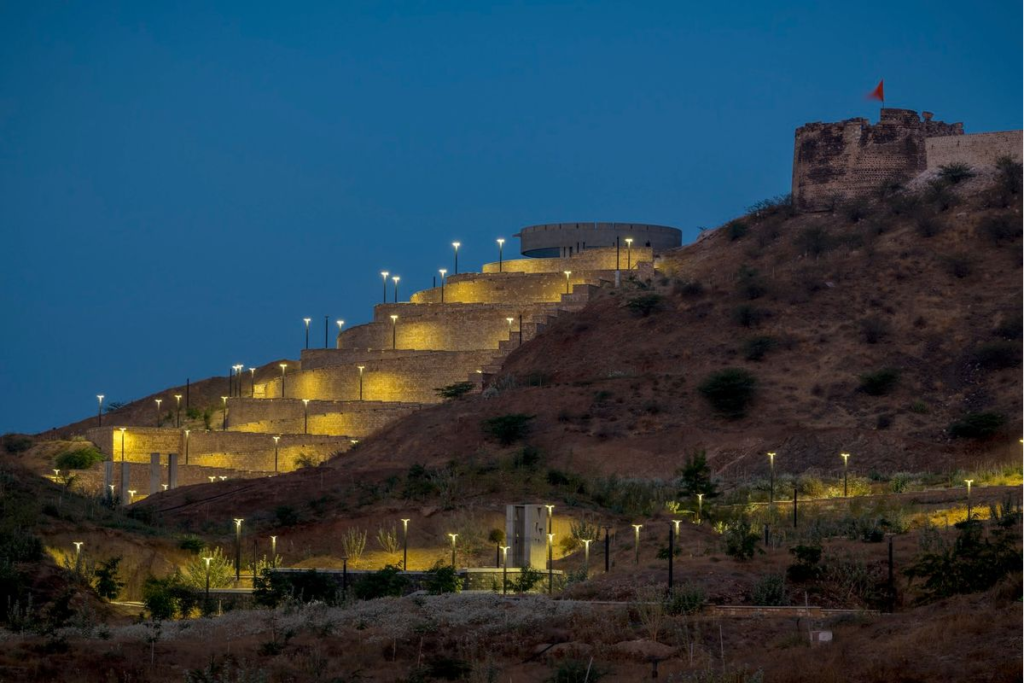
Bhuj, located in Gujarat’s Kutch region, is known for its rich heritage, traditional handicrafts, historic architecture, and cultural attractions. Among its important landmarks, the smritivan earthquake memorial in bhuj stands out as a place of remembrance, learning, and reflection. Built to honour the people who lost their lives in the devastating 2001 Gujarat earthquake, this memorial offers visitors an opportunity to understand the region’s history and the resilience of its communities.
Situated on Bhujiyo Hill, Smritivan combines memorial spaces, museum experiences, landscaped surroundings, and panoramic views of the city. It is an important destination for travellers interested in history, architecture, culture, and meaningful travel experiences. After exploring this landmark, visitors can relax at the Best Resort in Bhuj, offering a comfortable stay and an opportunity to experience the region’s hospitality. Whether you are visiting Bhuj for a family holiday or exploring the heritage of Kutch, this landmark deserves a place on your itinerary.
History and Significance of Smritivan
The 2001 Gujarat earthquake caused extensive destruction across Kutch, particularly in and around Bhuj. Thousands of people lost their lives, and numerous homes, buildings, and public facilities were damaged. The disaster became a defining moment in the region’s modern history, highlighting the importance of community support, preparedness, and rebuilding after tragedy.
The Smritivan memorial was developed to preserve the memory of those who lost their lives and recognise the strength of the people who rebuilt their communities. Rather than serving only as a monument, it provides a setting where visitors can reflect on the human impact of natural disasters and learn about the recovery process.
As an important earthquake memorial in gujarat, Smritivan represents remembrance, hope, and resilience. Its design and educational features encourage visitors to appreciate the value of life, community cooperation, and disaster awareness.
The memorial also contributes to the cultural identity of Bhuj. It connects the city’s difficult past with its continuing development and gives younger generations an opportunity to understand an event that significantly affected the region.
Architecture and Design of Smritivan
One of the most distinctive aspects of Smritivan is its setting on Bhujiyo Hill. The elevated location provides broad views of Bhuj and the surrounding landscape, creating a peaceful environment for reflection.
The memorial combines landscaped areas, pathways, commemorative spaces, and museum facilities. Its open surroundings allow visitors to move through the site at a comfortable pace while learning about the earthquake and its impact.
The design brings together natural surroundings and meaningful architectural elements. The landscape creates opportunities for quiet contemplation, while the memorial spaces communicate the importance of remembering the people affected by the disaster.
Visitors interested in architecture can observe how the site uses its hillside location, open spaces, and carefully planned visitor areas to create a distinct experience. The setting also offers opportunities for photography, especially when the weather is clear and the surrounding landscape is visible.
For travellers exploring the smritivan earthquake memorial museum, the combination of outdoor spaces and indoor exhibits makes the visit more engaging than a conventional sightseeing stop. It offers both an opportunity to learn and a chance to spend time in a thoughtfully designed environment.
Exploring the Smritivan Earthquake Memorial Museum
The museum is an important part of the visitor experience. It helps explain the earthquake, its consequences, and the response that followed. Visitors can explore educational displays and interpretive experiences that provide context about the disaster and its effects on local communities.
The smritivan earthquake memorial museum is particularly valuable for people who want to understand the historical background of Kutch beyond its forts, palaces, temples, and traditional crafts.
Museum exhibits can help visitors learn about the forces behind earthquakes, the importance of scientific understanding, and the need for preparedness in regions vulnerable to seismic activity. These subjects are relevant to students, families, researchers, and anyone interested in geography or natural disasters.
A visit can also encourage conversations about emergency planning, safe construction, and how communities respond to challenging circumstances. For children and students, the experience can connect classroom learning with a real historical event.
Take time to read the information provided at the exhibits instead of rushing through the museum. Visitors should check current opening hours, ticket prices, and any access restrictions before travelling, as visitor arrangements may change.
Things to See and Do at Smritivan
Smritivan offers several ways to spend time beyond viewing the memorial itself. Planning your visit around the site’s different areas can help you enjoy the experience without feeling rushed.
Explore the Memorial Spaces
Walk through the designated memorial areas and take time to understand their purpose. These spaces are intended to honour those affected by the earthquake, so visitors should maintain a respectful atmosphere.
Learn About Earthquake Awareness
Explore the educational displays to gain a better understanding of seismic activity, disaster response, and community resilience. This part of the visit can be especially informative for families and students.
Enjoy the Hilltop Views
Bhujiyo Hill offers elevated views of the city and surrounding landscape. Depending on weather and visibility, the scenery can provide a memorable part of your visit.
Take a Relaxed Walk
The landscaped surroundings and pathways allow visitors to explore at a comfortable pace. Wear suitable footwear and carry drinking water, particularly during warmer months.
Capture the Surroundings Respectfully
Photography may be possible in designated areas, but visitors should follow site rules. Be mindful that Smritivan is a memorial rather than simply a recreational attraction.
If you are researching places to visit in bhuj, Smritivan is a worthwhile addition because it combines history, education, architecture, and natural scenery in one destination.
Best Time to Visit Smritivan
The best time to explore Smritivan is generally during the cooler months, from October to March. Temperatures are often more comfortable during this period, making it easier to walk around the hilltop and explore the outdoor areas.
Morning visits can be pleasant for sightseeing, while later afternoon visits may offer softer light for enjoying the surrounding views. However, actual conditions depend on the season, weather, and the memorial’s operating schedule.
Summer in Bhuj can be extremely hot, so visitors travelling between April and June should plan carefully. If visiting during this period, consider choosing cooler hours, carrying water, wearing breathable clothing, and avoiding unnecessary exposure to direct sunlight.
The monsoon season can bring changing weather conditions. Check the forecast before visiting, especially if you plan to explore the outdoor spaces.
Before leaving your hotel, confirm the museum’s opening hours and ticketing arrangements through official visitor information. This simple step can help you organise your day more effectively.
How to Reach Smritivan Earthquake Memorial
Smritivan is located on Bhujiyo Hill in Bhuj, making it accessible from different parts of the city. Travellers can generally reach the area by private vehicle, taxi, or other local transport options.
Visitors arriving by train can arrange local transportation from Bhuj Railway Station. Those arriving by air can travel from Bhuj Airport, subject to road and traffic conditions.
If you are travelling with family or in a group, booking a taxi can make the journey more convenient. It also allows you to combine the memorial with other attractions around the city without needing to arrange separate transport for every stop.
When planning your journey, allow enough time for travel, parking or drop-off arrangements, and the visit itself. The total time required depends on your interest in the museum, the memorial spaces, and the surrounding landscape.
Travellers visiting from outside Bhuj should consider checking local transport availability in advance, particularly during holidays or busy tourist periods.
Nearby Attractions to Include in Your Bhuj Trip
Bhuj has several attractions that can be combined with a visit to Smritivan. Exploring these places provides a broader understanding of the region’s royal heritage, religious traditions, and local culture.
Aina Mahal
Aina Mahal is known for its ornate interiors, decorative mirror work, and historic royal setting. It is a good choice for travellers interested in traditional craftsmanship and palace architecture.
Prag Mahal
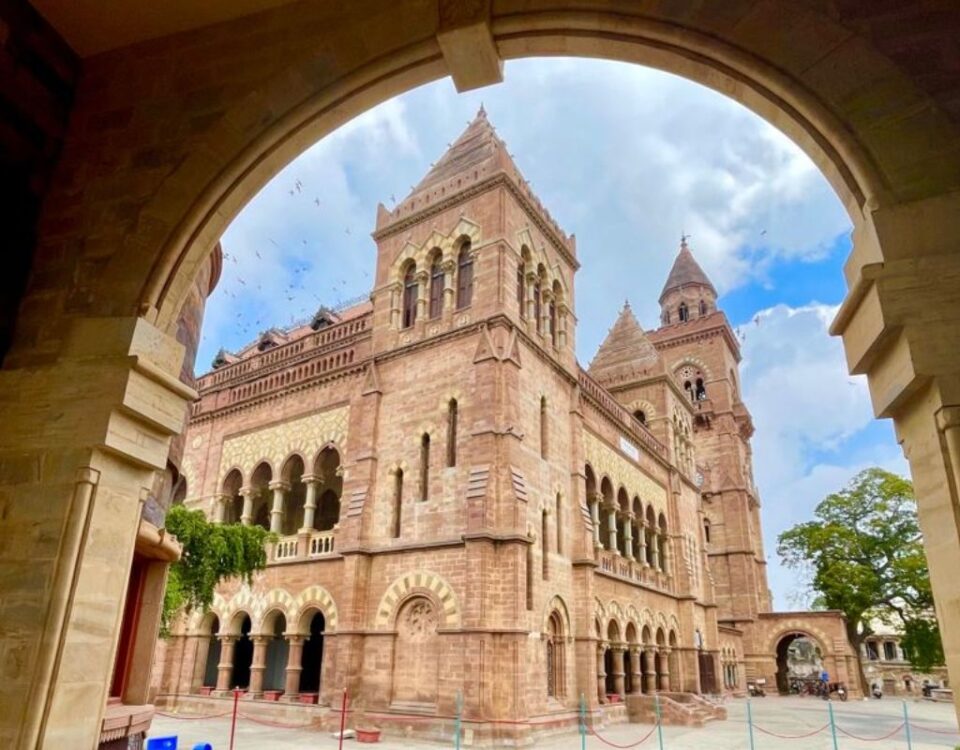
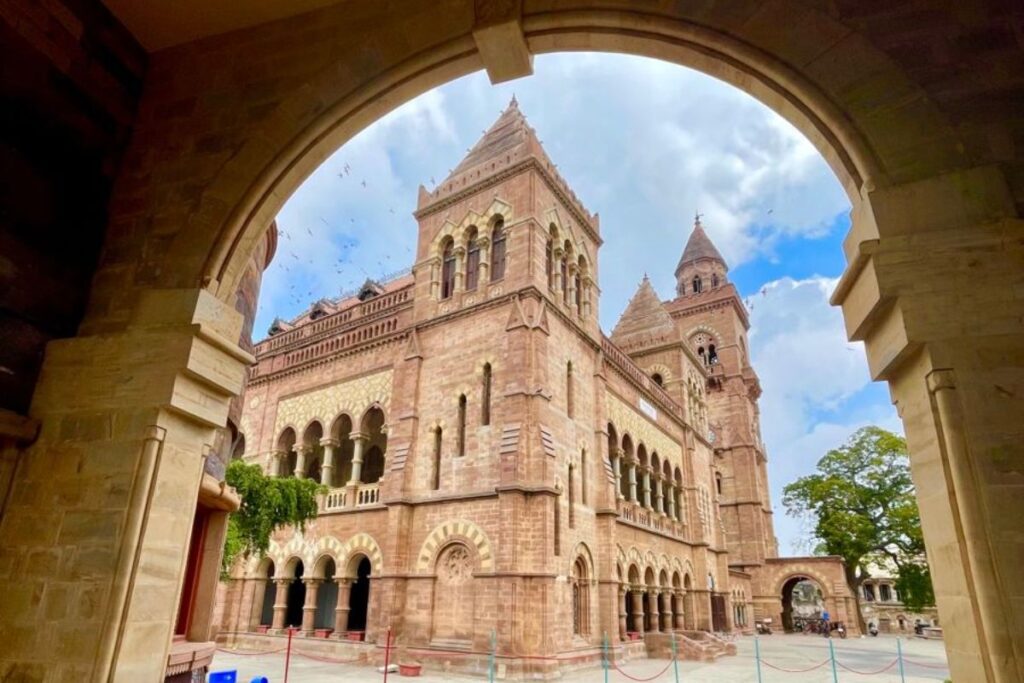
Prag Mahal features distinctive European-inspired architectural elements and a striking clock tower. Its appearance contrasts with the traditional architectural styles found elsewhere in the city.
Kutch Museum
Kutch Museum offers insights into the region’s history, communities, crafts, and cultural traditions. It can complement the educational experience at Smritivan.
Hamirsar Lake
Hamirsar Lake is a popular local landmark where visitors can enjoy the surrounding scenery and take a relaxed break during their sightseeing trip.
Swaminarayan Temple
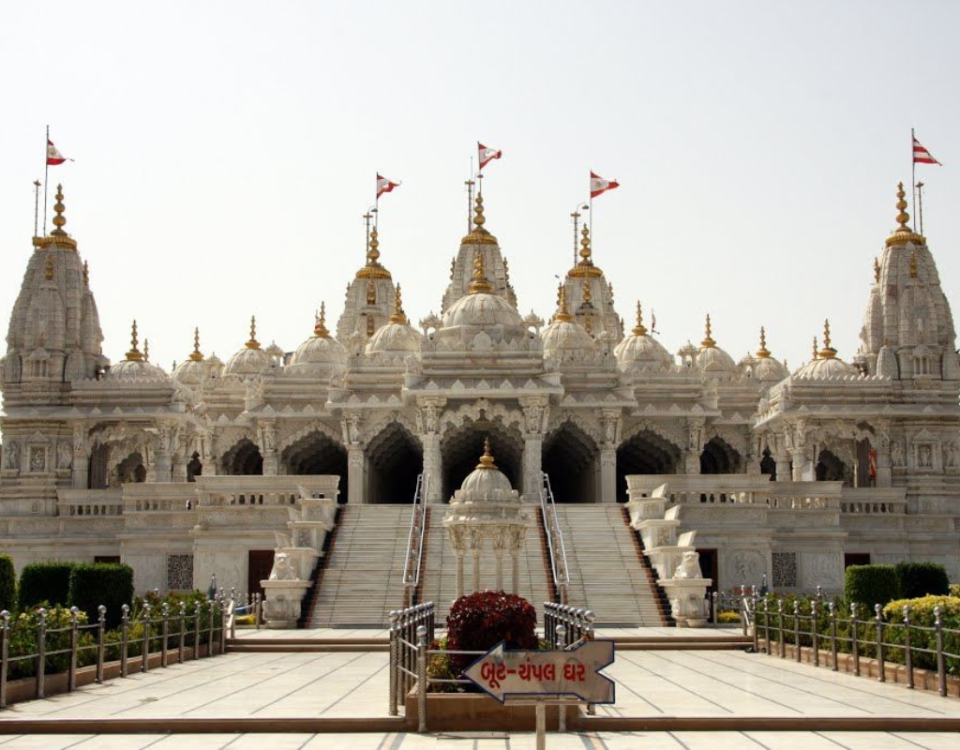
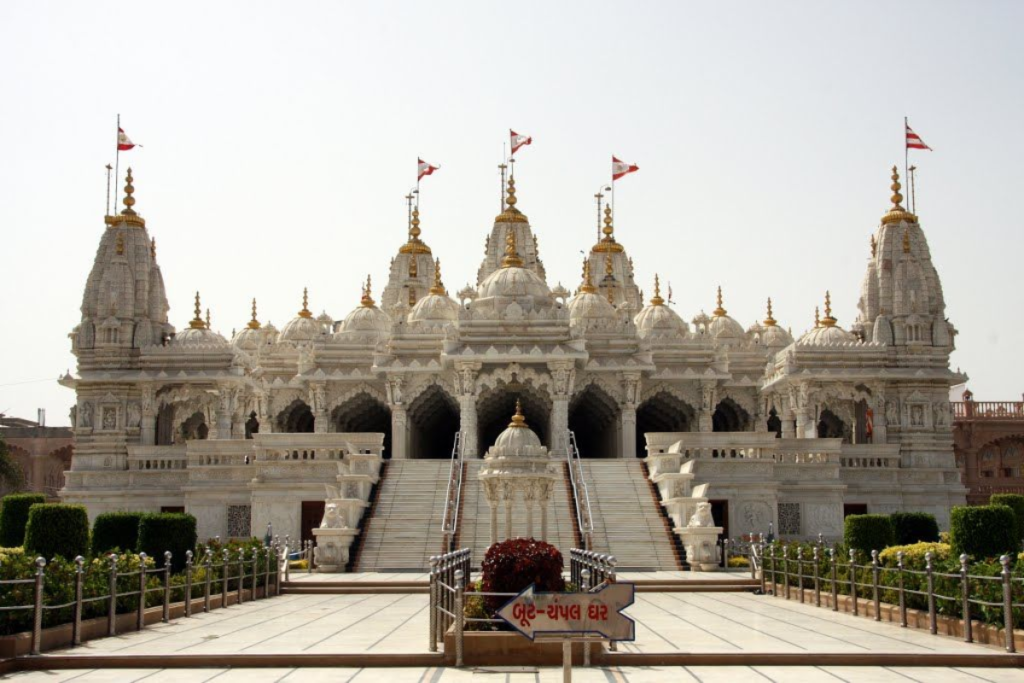
The Swaminarayan Temple in Bhuj is known for its detailed design and peaceful atmosphere. Visitors interested in religious architecture can include it in their itinerary.
These bhuj tourist attractions can be explored over one or two days, depending on your pace and the opening hours of individual sites. Check current timings before finalising your schedule.
Practical Tips for Visitors
A little preparation can make your Smritivan visit more comfortable and meaningful.
- Wear comfortable footwear: You may spend time walking through outdoor areas and pathways.
- Carry drinking water: This is particularly important during warm weather.
- Check opening hours: Verify the museum’s operating schedule and ticket information before travelling.
- Allow enough time: Plan your visit according to your interest in the exhibits, memorial areas, and viewpoints.
- Respect the memorial: Maintain a considerate atmosphere and follow all site instructions.
- Plan nearby sightseeing: Combine Smritivan with other local attractions to make better use of your day.
- Check weather conditions: Hot afternoons and changing monsoon weather can affect outdoor sightseeing.
Visitors travelling with children or older family members should plan breaks according to their needs. If you have mobility concerns, confirm accessibility arrangements with the site before your visit.
Conclusion
Smritivan is more than a sightseeing destination; it is a place dedicated to remembrance, education, and the resilience of the people of Kutch. Its memorial spaces, museum experiences, and hilltop setting offer visitors a meaningful way to understand the impact of the 2001 earthquake and the region’s journey towards recovery.
For anyone planning a trip to Bhuj, the smritivan earthquake memorial in bhuj offers a thoughtful contrast to the city’s palaces, temples, and cultural attractions. After exploring the memorial, visitors can enjoy a satisfying meal at a Vegetarian Restaurant in Kutch, where they can experience local flavours and vegetarian cuisine. Take time to explore the exhibits, appreciate the surroundings, and reflect on the importance of community strength and disaster awareness. With a little planning, you can include this important landmark in a rewarding Bhuj sightseeing itinerary.